








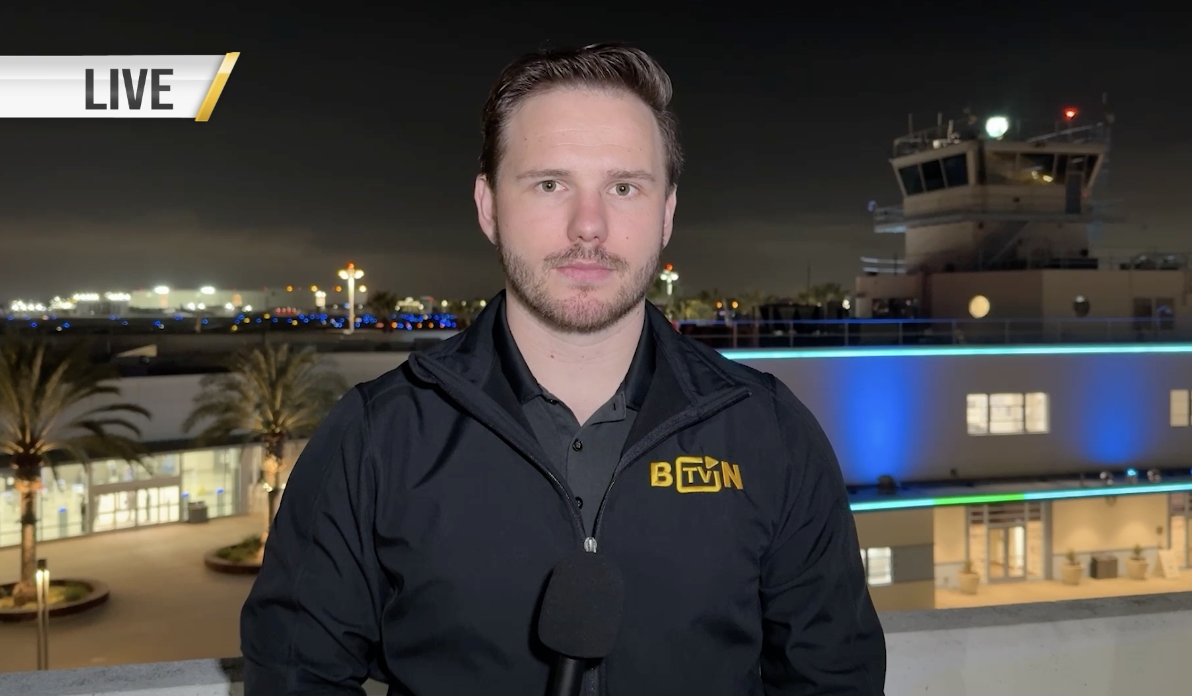

BURBANK, Calif., Oct. 8 (BTVN) — Hollywood Burbank Airport was left without any air traffic controllers for a full six hours Monday evening, a stark and alarming consequence of the ongoing federal government shutdown that has left several U.S. airports struggling to staff their control towers. From about 4:15 p.m. until roughly 10 p.m., the Burbank control tower was unmanned, with Southern California TRACON — the regional control center based in San Diego — forced to manage departures and arrivals remotely.
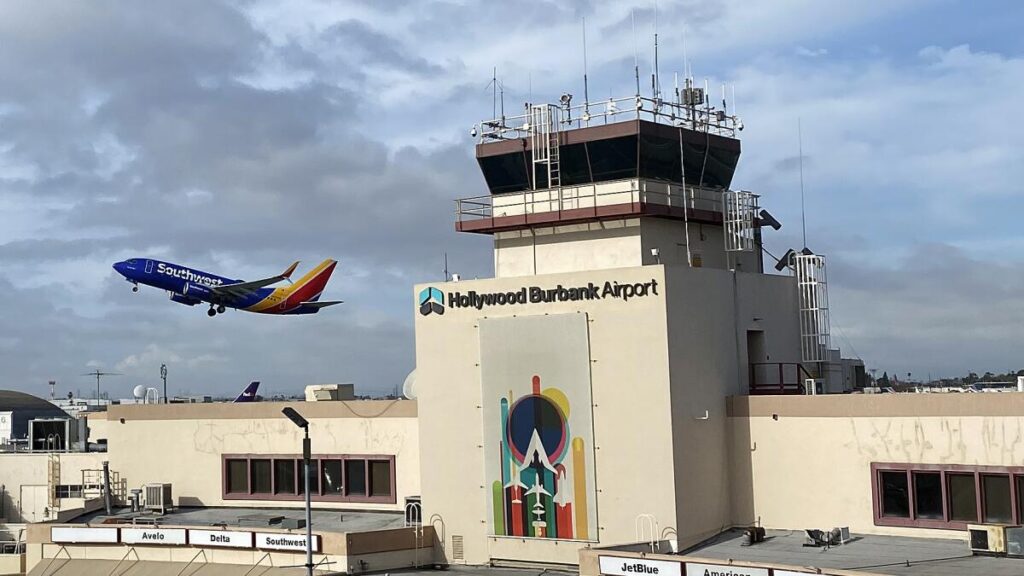
The absence of controllers triggered cascading effects: some flights were delayed for hours, others canceled, and overall operations were reduced to a trickle to maintain safety. Average delays at Burbank during that period reached about two and a half hours, according to state aviation officials.
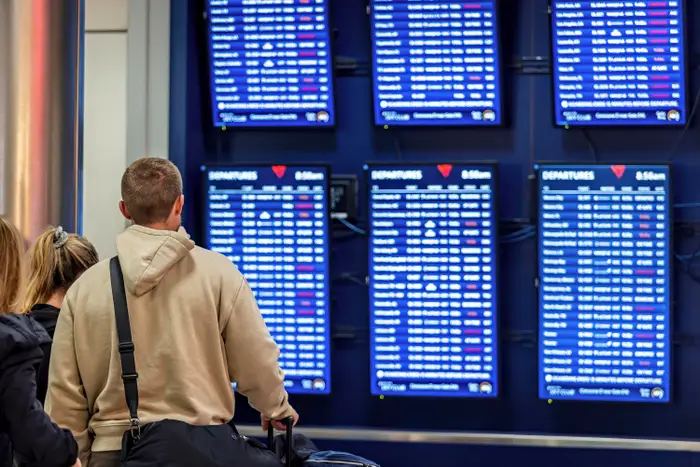
“This is not a drill — we literally had no one watching takeoffs and landings in Burbank,” said one passenger waiting to depart, describing a tense scene of confusion and uncertainty at the terminal.
The shutdown, now entering its second week, has exacerbated an already fragile staffing landscape in the nation’s air traffic control system. Controllers are considered essential workers and are required to remain on duty, but many are working without pay. Faced with mounting financial pressures, some have called in sick in growing numbers. Transportation Secretary Sean Duffy acknowledged what he described as a “slight tick up” in sick calls among controllers at multiple facilities.
Burbank was not alone in suffering disruptions. Similar staffing deficits forced reduced operations at major hubs across the country. The Federal Aviation Administration issued staffing alerts at Denver, Newark, and Phoenix, among others, cutting down the number of takeoffs and landings to preserve safety margins. In Nashville, controllers calling out sick led to long delays, and airports in Dallas and Chicago also saw traffic slowdowns.
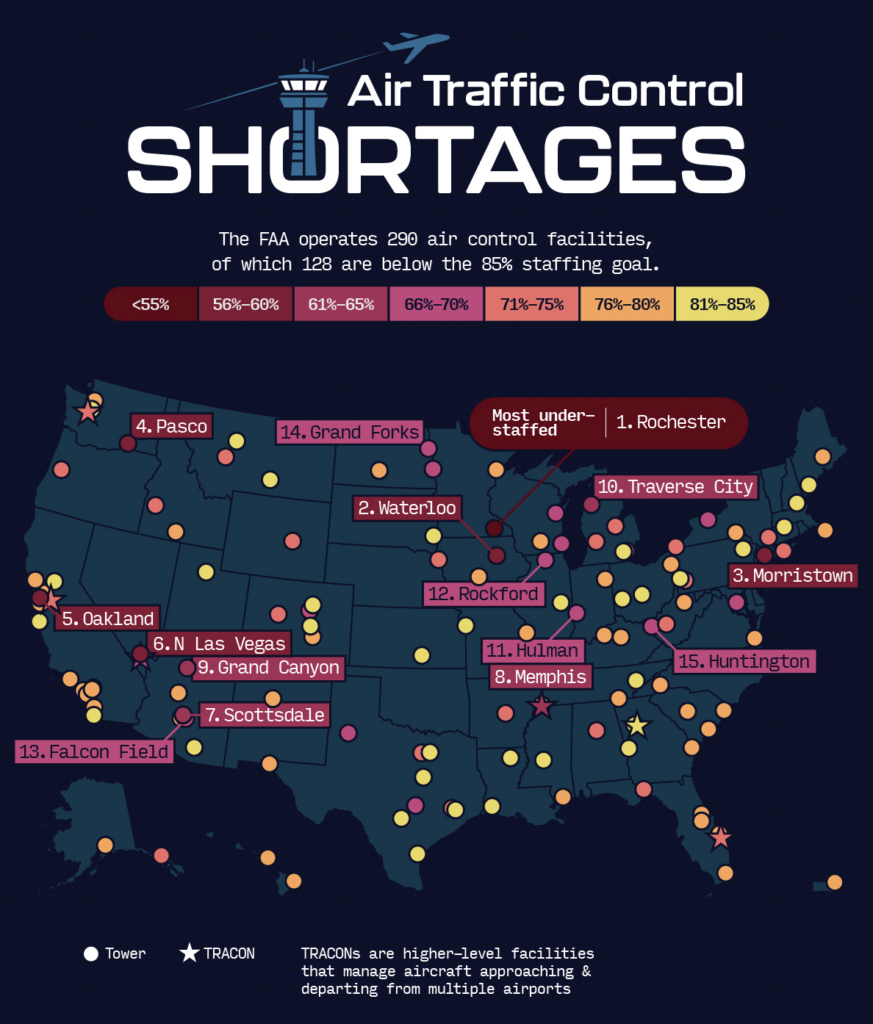
A dozen FAA facilities, according to agency advisories, are currently flagged for low staffing levels. Airlines have already reported thousands of delays and cancellations tied to the controller shortage, prompting some carriers to adjust their schedules preemptively.
Officials emphasized that safety standards — not schedules — govern operational decisions. When control towers or radar facilities lack adequate staff to safely manage air traffic, the FAA declares what’s known as an “ATC Zero,” meaning the facility cannot provide normal air traffic services. That designation was effectively applied to Burbank’s tower during the six-hour blackout.
Still, the lack of on-site staff marked a dramatic disruption, even for essential operations. Burbank Airport officials urged passengers to check with their carriers for updates and to expect continued delays while the shutdown continues.
The ripple effects were also felt by airline crews and ground personnel, who described the situation as “chaotic but cautious.” Pilots relied heavily on remote coordination and visual flight rules during the outage, with several flights diverted to nearby Los Angeles International Airport.
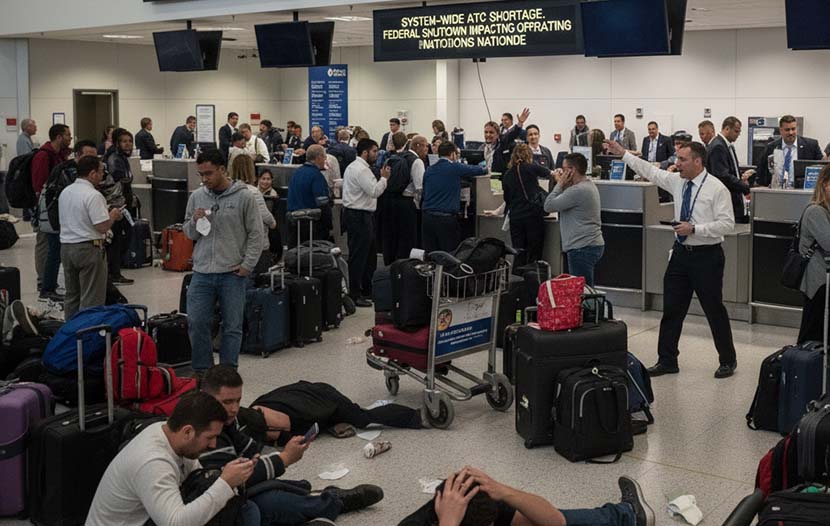
Lawmakers are facing mounting pressure as the aviation fallout from the shutdown becomes more visible to travelers. Analysts note that a similar situation during the 2018–19 shutdown — when a spike in controller absences caused delays at New York, Atlanta, and Philadelphia airports — helped speed a deal to restore funding.
The current shutdown began when budget negotiations in Congress collapsed over spending priorities, leading to the suspension of nonessential federal operations. Essential workers, including air traffic controllers, are still required to work but without pay until funding is restored.
Aviation groups and labor unions have warned that continued strain on the system could soon reach a breaking point. “You can’t run an air traffic control system on hope and IOUs,” said one industry representative. “Every day this shutdown drags on, the sky gets less safe.”
As flights resume in Burbank, the airport’s control tower once again hums with radio chatter. But Monday’s silence — six hours of unstaffed skies — served as a warning of just how fragile America’s air travel infrastructure has become.